
Risk Factors for Sleep Apnea – Tampa, FL
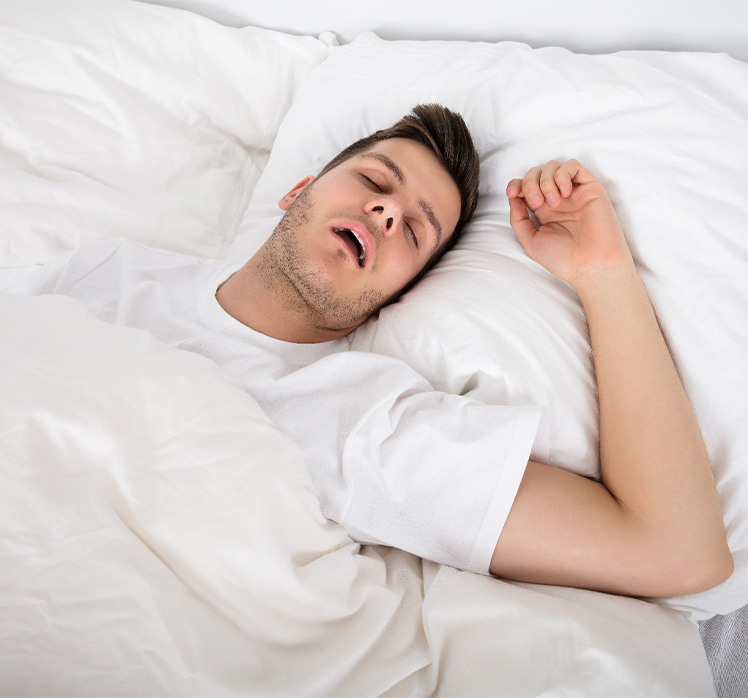
What Can Lead to Sleep-Disordered Breathing?
While anyone can potentially suffer from sleep apnea, some people are more likely to develop it than others. As such, it’s important to be aware of the risk factors associated with sleep-disordered breathing. If any of them apply to you, then you should pay extra close attention to the quality of your sleep; in the event that you notice any concerning symptoms, you can contact Breathe Sleep Center in Tampa to explore your treatment options. Below is a brief overview of some of the most notable risk factors for sleep apnea.
Contact Us
Obesity
Obesity and sleep apnea are often closely related. When you’re overweight, there may be an excessive amount of fatty tissue in your neck. This can significantly increase the chances of your airway becoming blocked while you’re asleep, thus resulting in sleep apnea episodes. It’s worth noting that if obesity is contributing to your sleep apnea, losing weight could potentially help alleviate your symptoms.
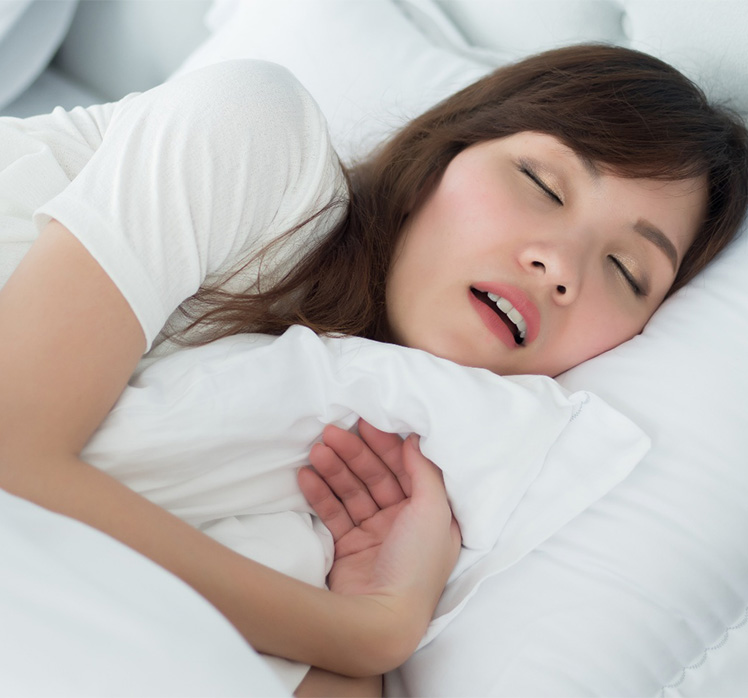
Narrowed Airway
Some people have narrower airways than others. This can be the result of a number of anatomical factors, such as a smaller-than-normal jaw or enlarged tonsils. It could also be due to inflammation or swelling of the tissues in the throat. A narrowed airway can easily increase your chances of experiencing nighttime breathing interruptions.
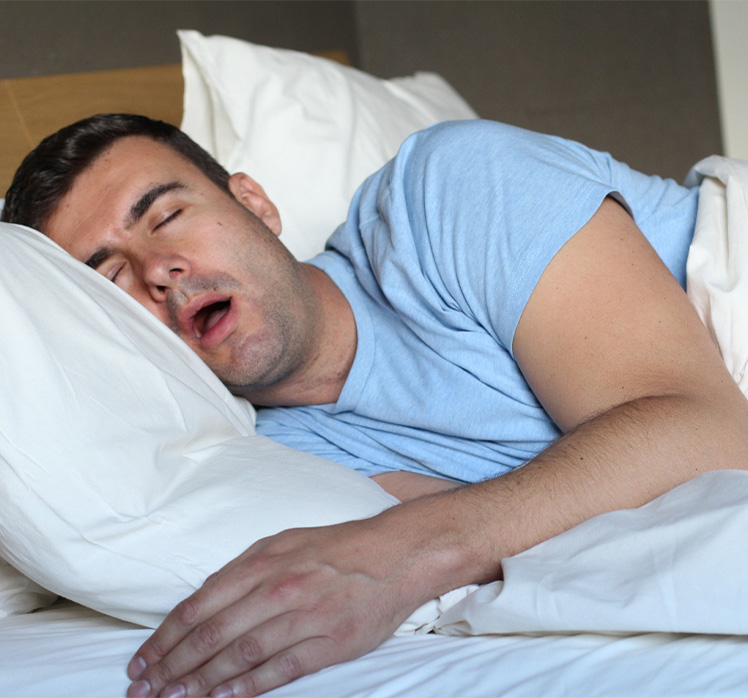
Genetics
There are several ways that your genetics can potentially put you at a higher risk for sleep apnea. For example, your tongue may be unusually large, or it might sit further back in your mouth than normal. Consequently, there could be a greater chance of your tongue blocking your airway while you’re asleep, especially if you have a tendency to sleep on your back.

Old Age
As you get older, your risk of developing sleep apnea will increase. This can be a side effect of the muscles in your throat weakening over time, thus making them more prone to collapsing and blocking the airway. On top of that, women tend to be more likely to suffer from sleep apnea during and after menopause due to hormonal changes.
Family History
Since sleep apnea can be influenced by genetics, it should come as no surprise that it can run in your family. One study showed that individuals with at least one parent who had sleep apnea had a 50% higher risk of also developing it. As such, if you have recently learned that someone in your family has sleep apnea, you should be extra vigilant about keeping an eye out for the warning signs of sleep-disordered breathing.

Alcohol & Tobacco Use
One of the side effects of alcohol is that it can relax the muscles in your throat. Consequently, drinking just before bed could increase the chances of your airway being obstructed while you’re asleep. Furthermore, smoking can contribute to nighttime breathing problems by causing inflammation of the airways.

Contact Us
Do you have reason to suspect you might be suffering from sleep apnea? If so, it’s important to be tested as soon as possible so that you can get the treatment you need.
At Breathe Sleep Center, we’re ready to take whatever steps are required to help you enjoy more restful nights again. Feel free to reach out to us if you would like to schedule a consultation.