
March 21, 2026
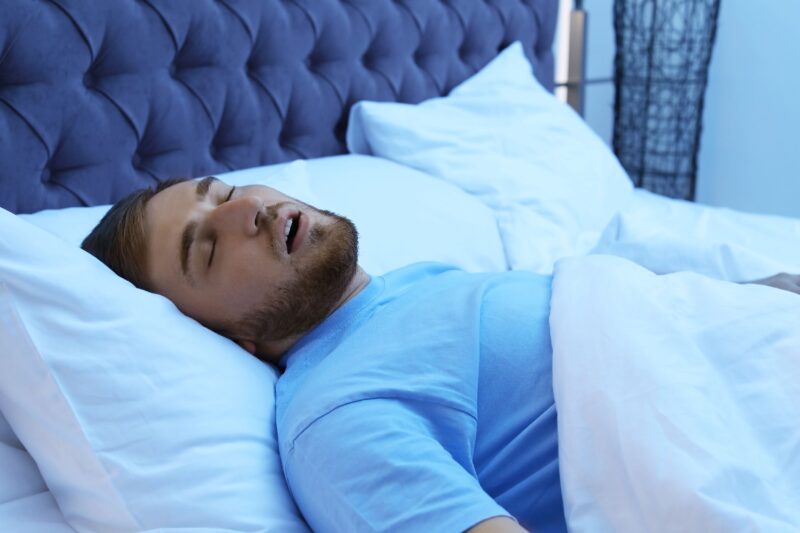
Do you frequently feel exhausted during the day, suffer from headaches, or often wake up snoring? If so, you might have sleep apnea, a condition characterized by interrupted breathing that prevents your body from completing the nightly circadian cycles necessary for quality rest and recovery.
This nighttime disorder can contribute to serious concerns, such as type 2 diabetes, high blood pressure, and heart problems. You might think napping during the day can provide all the rest you need to prevent these issues, but that isn’t necessarily the case. Continue reading to learn more about how napping can affect sleep apnea!
What is Sleep Debt?
Experts recommend that the average adult gets between 7 to 9 hours of quality rest to maintain optimal health and daytime functionality. Unfortunately, sleep apnea interrupts the natural stages of your sleep cycles, which must be completed to restore your mind and body, so you’re unlikely to meet these goals.
Then, because sleep loss (or debt) is cumulative, it can take time for your body to catch up enough rest to restore normal cognitive, physical, and emotional functions.
Does Napping Reduce Sleep Debt?
Are you feeling so drained during the day that you can barely make it through without crashing on the couch to nap for a few hours? Under normal circumstances, this might be an effective way to help boost your energy levels, at least for a period of time. For instance, it’s possible for a 20 or 30-minute snooze to boost your daytime productivity for an afternoon.
However, it’s believed that napping cannot fully replace deep nighttime rest or address symptoms resulting from chronic sleep loss.
Can Taking Naps Improve Sleep Apnea Symptoms?
Many patients with sleep apnea feel so exhausted during their waking hours that it can feel impossible to make it through without a quick nap. But this condition can make it particularly challenging for folks to fall and stay asleep, which can be made that much harder if you nap during the day. As a result, some experts recommend that those with sleep apnea avoid napping unless it’s absolutely necessary, to help improve the likelihood of getting better z’s overnight.
If you’re struggling to drift off, it can be helpful to implement a consistent routine that lets your body know when it’s time to unwind. For example, turning down the lights at the same time in the evening cues your system to start preparing for rest. You can also try avoiding screen time for an hour or two before laying down, limiting caffeine intake, and going to bed at the same time each day.
If you’re unsure whether your restlessness is due to a nighttime disorder, you can learn more by contacting your sleep dentist!
About the Practice
If you’re concerned about getting quality rest at night but are unsure if you have sleep apnea, the compassionate team at Breathe Sleep Center is happy to help. They offer at-home testing to help identify and diagnose sleep apnea, then use state-of-the-art technology to provide customized treatment plans, including CPAP machines and oral device therapies. You can request an appointment on the website or by calling one of their conveniently located offices near you!