
January 13, 2026
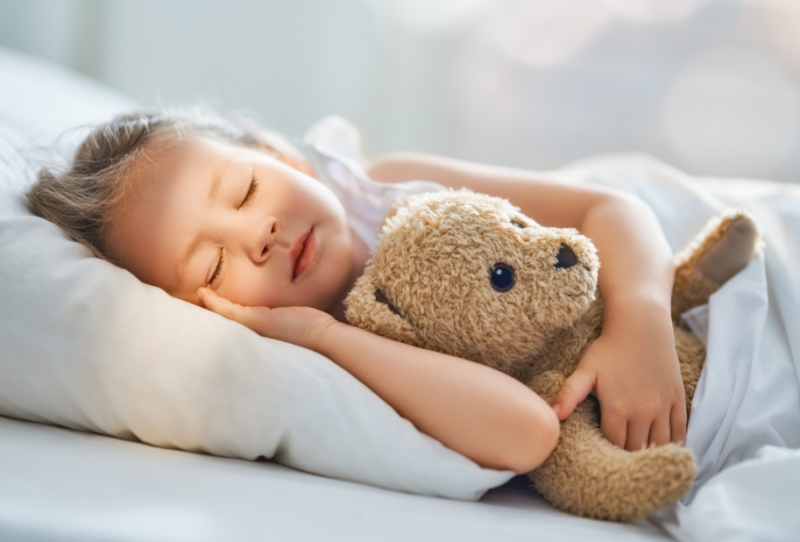
As parents, we do everything we can to keep our children safe and healthy. But some risks aren’t always obvious. Secondhand smoke — even when a child isn’t the one smoking — can have a significant impact on their developing airways and sleep quality. Research suggests that exposure to smoke in the home may increase the likelihood of obstructive sleep apnea in children, a condition that can affect growth, behavior, and overall well-being.
Understanding this connection can help families take proactive steps to protect their child’s health and recognize early warning signs.
How Secondhand Smoke Affects a Child’s Airway
Children’s airways are smaller and more sensitive than those of adults, making them especially vulnerable to irritants. Secondhand smoke contains thousands of chemicals that can inflame and irritate the lining of the nose, throat, and lungs.
When a child breathes in smoke particles, the tissues in the airway may swell and produce excess mucus. This inflammation can narrow the airway, making it harder for air to flow freely during sleep. Over time, repeated exposure may contribute to chronic congestion and airway obstruction — key factors in the development of obstructive sleep apnea.
Because children’s bodies are still developing, even low levels of smoke exposure can have a noticeable effect on breathing patterns and sleep quality.
The Link Between Secondhand Smoke and Pediatric Sleep Apnea
Obstructive sleep apnea occurs when the airway becomes partially or completely blocked during sleep, causing brief pauses in breathing. In children exposed to secondhand smoke, inflammation and airway irritation may increase the likelihood of these blockages.
Smoke exposure can also worsen other risk factors for sleep apnea, such as enlarged tonsils, adenoids, and chronic nasal congestion. When these issues combine, the airway may collapse more easily during sleep, leading to disrupted breathing and fragmented rest.
Poor sleep quality can affect more than nighttime comfort. Children with untreated sleep apnea may experience daytime fatigue, difficulty concentrating, mood changes, and challenges with growth and development.
Signs Your Child May Have Sleep Apnea
Sleep apnea in children can look different from adult symptoms, making it important to watch for subtle signs. Some common indicators include:
-
Loud or frequent snoring
-
Pauses in breathing during sleep
-
Restless sleep or frequent waking
-
Mouth breathing at night
-
Night sweats
-
Daytime irritability or trouble focusing
-
Bedwetting beyond the typical age
If you notice these symptoms, especially alongside known smoke exposure, it may be time to seek a professional evaluation.
Steps Parents Can Take to Reduce Risk
The most effective way to reduce your child’s risk is to eliminate smoke exposure in the home and car. Creating smoke-free environments helps protect developing airways and supports healthier sleep.
Additional steps include maintaining good indoor air quality, encouraging regular medical checkups, and addressing chronic nasal congestion or allergies early. If sleep concerns arise, a pediatric sleep evaluation can help determine whether sleep apnea or another issue is affecting your child’s rest.
Taking action early can improve sleep quality, behavior, and overall health outcomes. Protecting your child’s airways today can help them breathe easier and sleep more soundly tomorrow.
About the Practice
Breathe Sleep Center of Tampa provides comprehensive care focused on diagnosing and treating sleep-disordered breathing in both children and adults. Our practice offers personalized evaluations and treatment options tailored to each patient’s needs, including therapies designed to improve airway health and sleep quality. Our experienced doctors and clinical team are committed to patient education and compassionate care, helping families understand the causes of sleep concerns and guiding them toward effective, long-term solutions.
Call us at (813) 831-8588 or request an appointment online.